
Hello PPMA members and friends
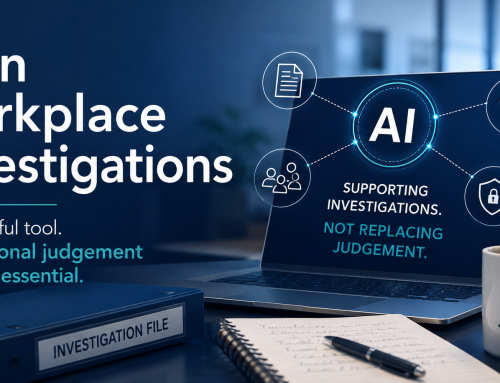
Karen Wise is Managing Director of Senatus Consulting and she recently ran an incredibly popular webinar for us on the pros and cons of using AI effectively in workplace investigations. Karen has also shared a blog post with us on the importance of writing a comprehensive grievance investigation report. If you missed the webinar you can watch it here.
When I first started out, I was taught that the purpose of an investigation report was to present the case in a way that meant can Employment Tribunal panel could easily understand it. The report provided the Employment Tribunal with all the relevant jigsaw pieces so that they could easily see the overall picture.
Over time, I developed the view that the investigation report should also be written in a way that makes the Commissioning Manager’s job easier to make a fair and informed decision.
Whilst these views still remain important, we have to remember that the reason an investigation report is being written is because someone has raised a concern. So, it is also the individual at the centre of the investigation who the report is written for.
When an individual raises a concern, they will be holding a good number of puzzle pieces, but they don’t hold all the pieces. Based on those limited pieces, they understandably form a picture of what they believe has happened. For me, the investigation report should be written in a way that enables the complainant to see all the evidence/jigsaw pieces that have been found during the investigation. In doing so, the complainant will learn about events, decisions or context that they perhaps were previously unaware of. Sometimes those additional pieces help bring clarity and understanding; at other times, the evidence that has come to light can be difficult or uncomfortable to read.
So, when drafting an investigation report, or reviewing it as a decision-maker or HR practitioner, ask yourself: is the report written in a way that enables the complainant to understand what happened, and why it happened – and therefore the rationale behind why their concerns have been substantiated or not. Remember, investigation reports are not written for just one audience; they are read by decision-makers, HR professionals, Employment Tribunals, and, most importantly, the complainant.
Karen Wise, Managing Director, Senatus Consulting